
The Concept of Luck in Gambling
Luck has long been a fundamental element in gambling culture, intertwined with the excitement and unpredictability of games. When individuals step into a casino, the anticipation of winning often hinges on the belief that luck will be on their side. This perception is shaped by both personal anecdotes and the marketing strategies of casinos that promote luck as a selling point. Many players recall moments of extraordinary wins that feel almost magical, reinforcing the idea that luck plays a significant role in their gaming outcomes, especially when they play at the best online casino nz where thrilling experiences await them. The thrill associated with a sudden win often fosters a narrative that luck is a tangible force influencing outcomes.
However, luck is often contrasted with skill, particularly in games that demand strategic thinking, such as poker or blackjack. In these instances, while luck can influence short-term results, long-term success is generally dictated by a player’s ability to make informed decisions. This duality raises questions about the extent to which luck can impact one’s overall casino experience. Players who focus solely on luck may overlook crucial strategies that could enhance their chances of winning over time. Understanding the interplay between luck and skill can make the difference in a player’s overall gambling success.
Moreover, the psychological aspect of luck should not be underestimated. The belief in luck can directly affect a player’s mood, decision-making, and overall experience. For instance, a player who feels lucky might be more inclined to take risks, perhaps opting for higher stakes or exploring new games. This mindset can lead to a vastly different experience compared to a player who approaches gambling with skepticism. Thus, while luck plays an undeniable part, the way individuals perceive and respond to it significantly shapes their casino journey, emphasizing the importance of a balanced outlook on luck and strategy.
The Role of Chance in Casino Games
Each game in a casino is built around the concept of chance, and this randomness is a critical element that ensures players can never fully predict outcomes. Games of chance, such as slot machines and roulette, are quintessential examples where luck reigns supreme. The appeal of these games lies in their inherent unpredictability, making them popular among casual gamblers who may not possess extensive knowledge of strategy. The thrill of waiting to see if the reels align or the ball lands on a desired number can create an electrifying atmosphere in the casino, drawing players into the experience.
Despite the element of chance, it is vital to understand that every game has odds that favor the house. This established advantage means that while luck can lead to short-term wins, the odds are structured to ensure profitability for casinos over time. Players may experience winning streaks fueled by luck, but probability suggests that these episodes will ultimately balance out. Some players may recognize that while luck can spark an exhilarating win, the odds are a more reliable indicator of long-term outcomes. Knowledge of these odds can help players make more informed choices, blending luck with a strategic approach.
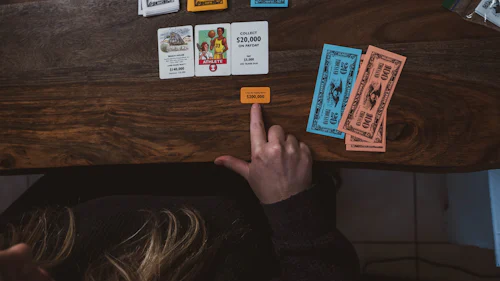
Furthermore, the presence of chance in gaming extends beyond pure luck and incorporates aspects of player behavior and choice. Decisions such as how much to bet, which games to play, and when to walk away can be influenced by a player’s perception of luck. If a player believes they are on a lucky streak, they may choose to increase their bets, potentially leading to greater losses. This dynamic interplay highlights a critical point: while casino games are rooted in chance, a player’s mindset regarding luck can significantly influence their decisions and outcomes, reminding players of the importance of maintaining a balanced perspective.
The Influence of Superstitions and Rituals
Superstitions play a fascinating role in the perception of luck within casinos. Many players engage in specific rituals or adhere to various beliefs to enhance their luck during gameplay. For example, one might wear a lucky charm, follow a particular route through the casino, or touch a specific object for good fortune. These behaviors illustrate how deeply ingrained the notion of luck is in the gambling experience, often providing players with a sense of control in an otherwise unpredictable environment. Such rituals can be comforting and may enhance the overall enjoyment of the gaming experience.
Interestingly, research suggests that these superstitions can lead to improved performance due to increased confidence. When players believe that their lucky rituals can affect the outcome of a game, they often approach gaming with a positive mindset, which can impact their decision-making and enjoyment. A player who feels lucky is more likely to relax, stay focused, and engage more fully with the experience, which can contribute to a more rewarding casino visit. This psychological boost can create a self-fulfilling prophecy, where the belief in luck manifests into a better gaming experience.
However, it is essential to strike a balance between enjoyment and rationality. While superstitions can enhance the thrill of gambling, relying solely on them can obscure the understanding of the game mechanics and odds. Players should enjoy their rituals but remain aware that outcomes are ultimately determined by chance and skill. Thus, while luck and superstition can enrich the gaming experience, they should be viewed as complementary rather than definitive in achieving success. Acknowledging this balance allows players to appreciate their beliefs while maintaining a grounded approach to gaming.
The Psychological Impact of Winning and Losing
The psychological dynamics of winning and losing can significantly shape a player’s casino experience. When a player experiences a win, often attributed to luck, the immediate emotional high can create an exhilarating rush, fueling a desire to continue playing. Conversely, losses can lead to feelings of disappointment and frustration. These emotional responses must be managed carefully, as they can influence future gambling behavior. A strategy that balances the excitement of gambling with the potential risks is crucial for sustaining a positive experience. Recognizing these emotional triggers can help players make more measured decisions.

Interestingly, the phenomenon of “loss aversion” suggests that losses feel more impactful than equivalent gains. This can lead players to chase losses, trying to recoup what they have lost by betting more or engaging in riskier behavior. Such tendencies may stem from a desire to regain a sense of luck or control, ultimately leading to a cycle of escalating bets and potential financial distress. Understanding this psychological tendency is vital for players who wish to maintain a healthy relationship with gambling. Being aware of these patterns can help players avoid the pitfalls of emotional decision-making.
Ultimately, the key to navigating the emotional landscape of winning and losing is self-awareness. By recognizing how luck can influence feelings of euphoria or despair, players can better manage their expectations and decisions. Approaching gambling with a mindset that balances enjoyment, self-control, and an understanding of luck can enhance the overall experience, allowing individuals to appreciate the thrill of the game without succumbing to its potential pitfalls. This mindful approach can lead to a more fulfilling and sustainable gambling experience.
Understanding the Casino Environment
The casino environment plays a pivotal role in shaping a player’s experience, and luck is often central to this ambiance. Casinos are designed to create an exciting atmosphere, filled with flashing lights, vibrant sounds, and the palpable energy of anticipation. This carefully curated environment can amplify feelings of luck and excitement among players. The ambiance encourages patrons to engage fully, often leading them to believe that fortune is on their side, thus heightening the overall experience of gambling. The sensory overload can create a unique emotional connection to the games being played.
Additionally, the strategic placement of games and the flow of the casino can significantly influence player behavior. High-stakes games are often located in more lavish settings, creating an air of exclusivity that can evoke feelings of luckiness among players. In contrast, more casual games might be surrounded by less opulence but are still designed to keep players entertained and immersed. This manipulation of space and experience feeds into the belief in luck and can sway a player’s engagement and decision-making. The environment thus becomes an integral part of the gambling experience.
Ultimately, understanding the casino environment can provide insights into how luck is perceived and experienced. Elements such as decor, sound, and even the presence of other players contribute to an overall feeling of excitement and anticipation, enhancing the belief that one is in the midst of a lucky streak. This interplay between environment and psychology reinforces the complex relationship between luck and the casino experience as a whole. Recognizing these factors can empower players to navigate the casino landscape with greater awareness and intention.